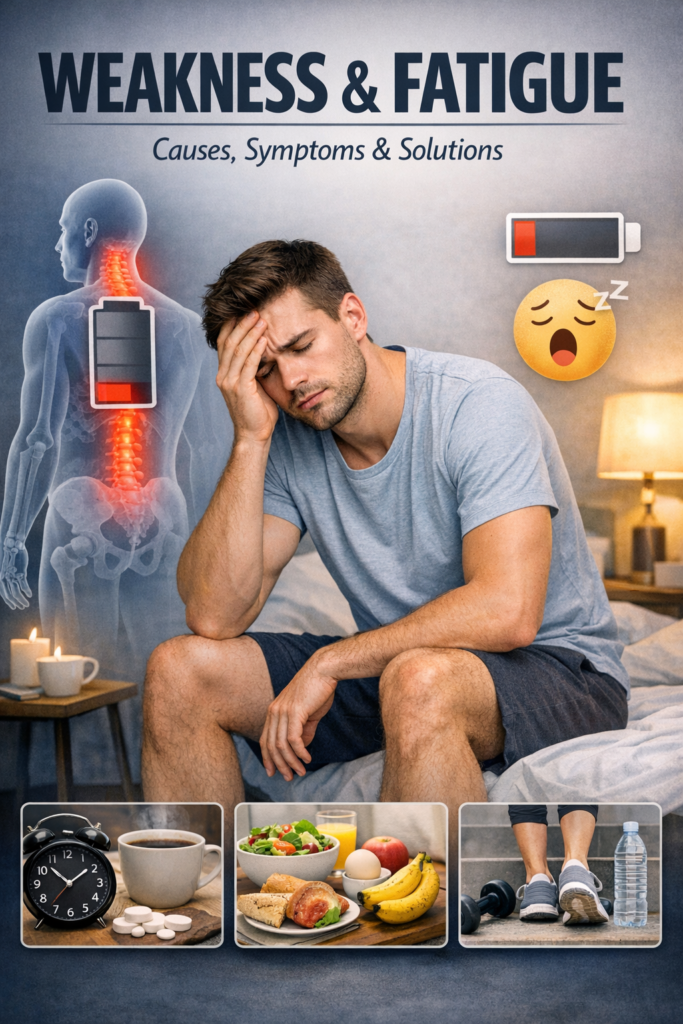
We’ve all had those days when getting out of bed feels like climbing a mountain. Your muscles feel heavy, your energy is nowhere to be found, and even the simplest tasks seem exhausting. If this sounds familiar, you’re not alone. Weakness and fatigue are among the most common health complaints worldwide — and yet they’re also among the most misunderstood.
The good news? In most cases, these symptoms are your body’s way of communicating something important. Understanding the difference between normal tiredness and chronic fatigue — and knowing when to take action — can genuinely change your quality of life.
What’s the Difference? Weakness vs. Fatigue
People often use these two words interchangeably, but medically they mean very different things:
Fatigue is an overwhelming sense of tiredness, low energy, or exhaustion — physical, mental, or both. You may feel like you simply can’t get going no matter how much you rest.
Weakness, on the other hand, refers to a reduction in physical strength. You might find it difficult to grip objects, lift things, or perform movements that used to feel easy.
Common Causes of Weakness and Fatigue
There’s rarely one single reason behind these symptoms. More often, they stem from a mix of lifestyle habits, nutritional gaps, or underlying health conditions. Here are the most common culprits:
- Poor sleep quality — It’s not just about how many hours you sleep; it’s about sleep depth and consistency. Disrupted sleep leaves your body under-recovered.
- Iron-deficiency anemia — Low iron means your blood carries less oxygen to your muscles and brain, leading to fatigue, pallor, and weakness.
- Thyroid disorders — An underactive thyroid (hypothyroidism) slows nearly every bodily process, causing persistent tiredness and muscle heaviness.
- Vitamin D and B12 deficiency — Both are essential for energy production and nerve function. Deficiencies are surprisingly common, especially in South Asia.
- Diabetes and blood sugar imbalances — Fluctuating blood sugar creates energy crashes that leave you feeling depleted and foggy.
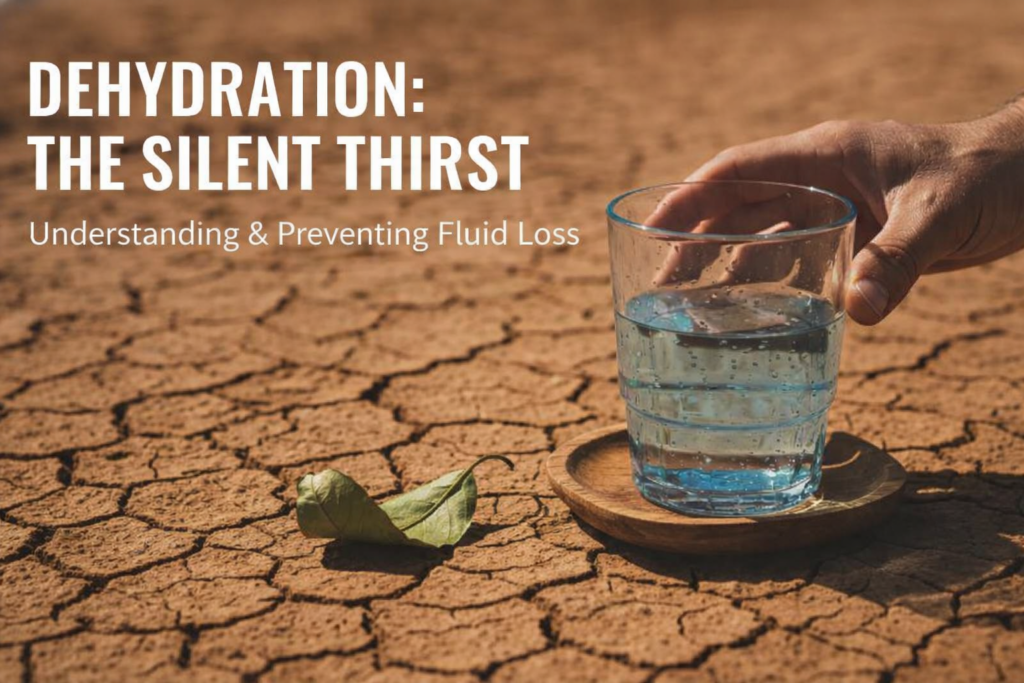
- Dehydration — Even mild dehydration reduces blood volume and oxygen delivery, causing immediate fatigue and weakness.
- Mental health conditions — Depression and anxiety are deeply physical. They exhaust the nervous system and drain energy reserves.
- Chronic infections or inflammation — Your immune system fighting a long-term battle consumes enormous energy.
- Heart or lung conditions — Reduced oxygen circulation is a major but often overlooked cause of exercise intolerance and fatigue.
- Sedentary lifestyle — Paradoxically, doing too little physically leads to weaker muscles and lower energy overall.
Seek medical care right away if your fatigue or weakness is sudden and severe, accompanied by chest pain, shortness of breath, confusion, one-sided numbness, or if it follows a recent illness or injury. These may be signs of a serious underlying condition.
The Role of Nutrition in Fighting Fatigue
What you eat — and when you eat it — has a profound effect on your energy levels. Many people unknowingly fuel their exhaustion with poor dietary choices without realising it.
Key Nutrients for Energy and Strength
- Iron — Found in red meat, spinach, lentils, and fortified cereals. Pair with vitamin C to improve absorption.
- Vitamin B12 — Found in eggs, dairy, meat, and fish. Vegetarians and vegans are at higher risk of deficiency.
- Magnesium — Critical for muscle function. Found in nuts, seeds, whole grains, and dark chocolate.
- Vitamin D — Primarily from sunlight, also found in fatty fish and fortified foods. Tested via a simple blood test.
- Complex carbohydrates — Brown rice, oats, and whole wheat provide sustained energy without the crash of refined sugars.
- Protein — Repairs and builds muscle tissue. Aim to include a protein source with every main meal.
Skipping meals or following very low-calorie diets are among the fastest ways to trigger fatigue. Even if you’re trying to lose weight, eating too little will leave your body running on empty — and often leads to muscle loss alongside fat loss.
Chronic Fatigue Syndrome (CFS) — When Rest Doesn’t Help
For some people, fatigue goes far beyond what sleep or nutrition can fix. Chronic Fatigue Syndrome (CFS), also known as Myalgic Encephalomyelitis (ME), is a complex long-term condition characterised by extreme exhaustion that doesn’t improve with rest and worsens with physical or mental activity.
CFS affects millions worldwide and is more common in women. It’s often misdiagnosed or dismissed, but it is very real. Symptoms include post-exertional malaise (feeling worse after minimal effort), cognitive difficulties, sleep that doesn’t refresh, muscle pain, and orthostatic intolerance (feeling faint on standing).
There is no single diagnostic test — it is typically a clinical diagnosis after ruling out other causes. Management focuses on pacing, symptom relief, and personalised care.
7 Practical Ways to Fight Fatigue Naturally
When Is Fatigue a Red Flag?
Most fatigue is manageable with lifestyle changes. But sometimes, persistent or unusual fatigue signals something that needs professional attention. Talk to your doctor if:
- Your fatigue has lasted more than two weeks with no clear cause
- You’re sleeping well but still feel completely drained every day
- You have unintentional weight loss alongside fatigue
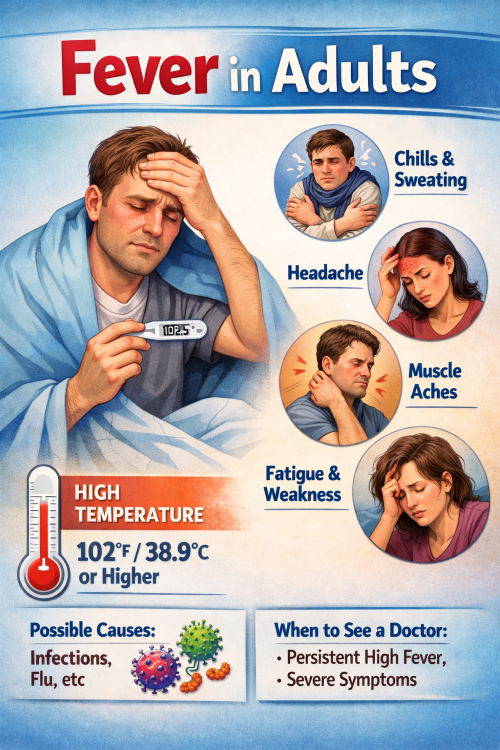
- You notice swollen lymph nodes, fever, or night sweats
- Your fatigue is paired with chest pain or palpitations
- You feel weakness on one side of the body, which could suggest a neurological issue
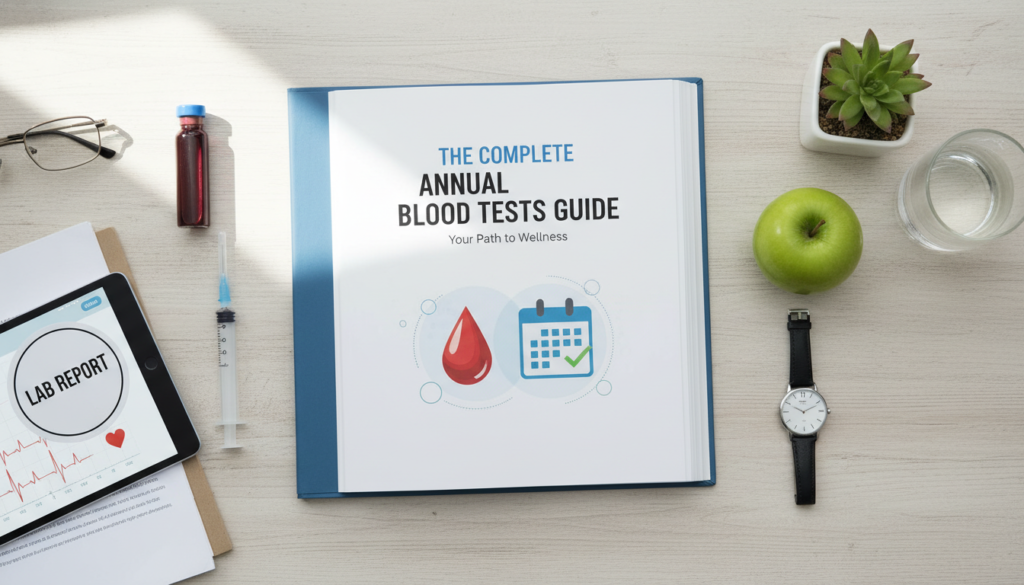
A basic blood panel that includes a complete blood count (CBC), thyroid function, blood glucose, iron studies, and vitamin D levels can uncover the vast majority of common causes of fatigue. It’s affordable, fast, and worth doing if you’ve been struggling for weeks.
Final Thoughts
Weakness and fatigue are your body’s loudest signals that something needs attention — whether that’s better sleep, more nourishing food, less stress, or a conversation with your doctor. The mistake most people make is pushing through and hoping it passes.
Start small. Pick one area to improve this week — be it sleep, hydration, or getting a blood test. Recovery doesn’t happen overnight, but it absolutely happens when you take the right steps consistently. Your energy is worth fighting for.
“Your health is the foundation of everything you do. Protect it.”