Dehydration: The Complete Guide
Everything you need to know about dehydration — causes, symptoms, risk factors, treatment, and science-backed prevention strategies for every age group.
📋 Table of Contents
- What Is Dehydration?
- Causes of Dehydration
- Symptoms by Severity
- Urine Color: Your Hydration Meter
- High-Risk Groups
- Effects on the Body & Brain
- Treatment & Rehydration
- Prevention Strategies
- Chronic Dehydration
- Dehydration in Children
- Dehydration in the Elderly
- Common Myths Debunked
- Frequently Asked Questions
- When to See a Doctor
1. What Is Dehydration?
Dehydration occurs when your body loses more fluids than it takes in, and does not have enough water and other fluids to carry out its normal functions. Water is the most essential nutrient for human survival — it makes up approximately 60% of adult body weight and is involved in virtually every biological process.
Your body constantly loses water through breathing, sweating, urinating, and bowel movements. If you don’t replenish these losses adequately, dehydration begins. Even mild dehydration — a loss of just 1–2% of body water — can measurably impair physical and cognitive performance.
The Brain
~75% water. Even mild dehydration causes brain fog, poor concentration, and mood changes.
Blood
~83% water. Dehydration thickens blood, straining the heart and reducing oxygen delivery.
Muscles
~75% water. Dehydrated muscles fatigue faster and are more prone to cramps and injury.
Lungs
~83% water. Dehydration thickens mucus, impairs breathing efficiency and oxygen exchange.
2. Causes of Dehydration
Dehydration can be caused by a wide range of factors — from obvious physical exertion to less recognized causes like certain medications or chronic medical conditions. Understanding the root causes is the first step in effective prevention.
Insufficient Fluid Intake
Simply not drinking enough water is the most common cause. This may happen because you’re too busy, don’t feel thirsty (thirst sensation declines with age), lack access to clean water, or are in an environment that suppresses the urge to drink.
Excessive Fluid Loss
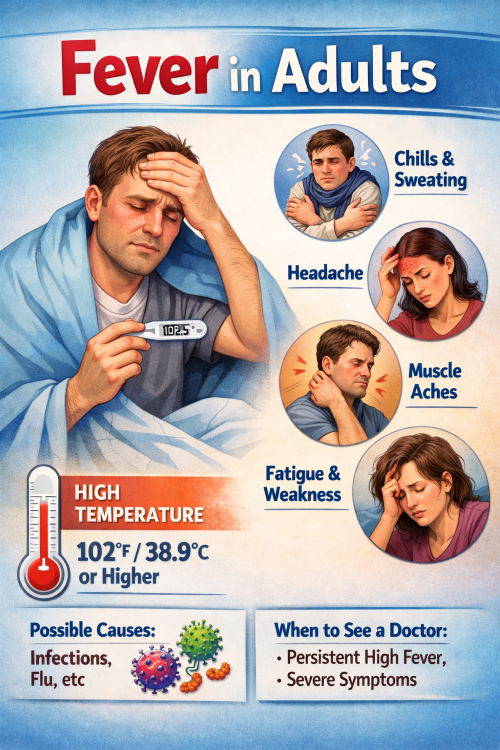
Fever
Every 1°C rise in body temperature increases fluid requirement by approximately 10–15%.
Vomiting & Diarrhoea
The most dangerous cause in children. Causes rapid electrolyte and fluid loss simultaneously.
Sweating
Exercise, hot weather, or fever can cause a loss of more than 1–2 litres per hour.
Frequent Urination
Diabetes, diuretic medications, and kidney conditions all increase urinary water losses.
Burns
Skin damage impairs the body’s water barrier; fluid loss through burned tissue is extreme.
Medications
Diuretics, antihistamines, blood pressure meds, and laxatives all increase fluid losses.
Medical Conditions That Cause Dehydration
- Diabetes mellitus (excessive urination due to high blood sugar)
- Diabetes insipidus (kidneys unable to concentrate urine)
- Adrenal insufficiency (Addison’s disease)
- Gastroenteritis, Crohn’s disease, and inflammatory bowel disease
- Kidney disease or kidney failure
- Cystic fibrosis (excess salt loss in sweat)
- Cholera (life-threatening diarrhoeal disease)
- Eating disorders (restriction of food and fluids)
3. Symptoms of Dehydration by Severity
Dehydration presents differently depending on how much fluid has been lost. Medical professionals classify it into three stages: mild, moderate, and severe. Recognising which stage you or someone else is in helps determine the appropriate response.
| Severity | Fluid Loss | Key Symptoms | Action Needed |
|---|---|---|---|
| Mild | 1–3% body weight | Thirst, slightly dark urine, dry mouth, mild fatigue, reduced concentration | Drink water or electrolyte drinks; rest |
| Moderate | 3–6% body weight | Headache, dizziness, reduced urination, muscle cramps, irritability, increased heart rate, dry skin | Oral rehydration; reduce activity; monitor closely |
| Severe | >6% body weight | Rapid heartbeat, sunken eyes, confusion, no urination, very dark/no urine, rapid breathing, loss of consciousness | Emergency medical care immediately |
Emergency Warning Signs — Call an Ambulance
Confusion or disorientation, rapid or weak pulse, inability to walk, sunken eyes, no urination for 8+ hours, cold/clammy skin, or loss of consciousness are signs of severe dehydration or heat stroke. These require immediate IV fluid treatment in a hospital.
4. Urine Color: Your Hydration Meter
One of the simplest and most reliable methods to check your hydration status is to observe the colour of your urine. Healthy urine ranges from pale straw to pale yellow. Anything darker suggests you need to drink more fluids.
Well hydrated
Good
Drink more
Dehydrated
Very dehydrated
Seek medical care
Important Caveat
Certain vitamins (especially B2/riboflavin), medications, and foods like beetroot or blackberries can change urine colour temporarily without indicating dehydration. Colourless urine may also signal over-hydration. Aim for pale straw to pale yellow.
5. Who Is Most at Risk?
While anyone can become dehydrated, certain groups are significantly more vulnerable due to physiological differences, medical conditions, or lifestyle factors.
Infants & Young Children
Higher body surface area-to-weight ratio, faster metabolism, and inability to communicate thirst make children very vulnerable, especially during illness.
Older Adults (65+)
Diminished thirst sensation, reduced kidney efficiency, and more medications all impair the elderly’s ability to maintain hydration.
Athletes
High sweat rates during intense training can cause fluid losses of 1–2.5 litres per hour, quickly leading to performance-impairing dehydration.
Pregnant & Breastfeeding Women
Increased fluid demands for foetal development and milk production significantly raise hydration needs during pregnancy and lactation.
Outdoor Workers
Construction workers, farmers, and landscapers face extreme heat and physical exertion with limited access to cold water throughout their workday.
Chronic Illness Patients
Diabetes, kidney disease, heart failure, and IBD all affect how the body manages fluids, making adequate hydration both more critical and more complex.
6. What Dehydration Does to Your Body & Brain
The effects of dehydration extend far beyond simply feeling thirsty. Water is involved in virtually every physiological process, and its absence triggers a cascade of impairments across every organ system.
Cognitive & Mental Effects
- Reduced short-term memory and working memory capacity
- Impaired attention, focus, and reaction time
- Increased anxiety, irritability, and mood swings
- Fatigue and reduced motivation
- Headaches — often caused by mild cerebral dehydration
- In severe cases: confusion, delirium, and hallucinations
Physical & Cardiovascular Effects
- Reduced blood volume → heart works harder → increased heart rate
- Drop in blood pressure (especially orthostatic hypotension — dizziness when standing)
- Decreased athletic performance — aerobic capacity falls by 10–20% when 2% dehydrated
- Muscle cramps and increased injury risk
- Reduced joint lubrication → joint pain and stiffness
- Impaired temperature regulation (higher risk of heat exhaustion and heat stroke)
Kidney & Digestive Effects
- Concentrated urine damages kidney tubules and increases risk of kidney stones
- Urinary tract infections (UTIs) become more frequent
- Chronic kidney disease progresses faster in dehydrated individuals
- Constipation — water is essential for keeping stools soft and moveable
- Acid reflux and heartburn may worsen
Skin & Metabolic Effects
- Dry, flaky, less elastic skin with reduced wound-healing ability
- Impaired detoxification — the liver and kidneys flush toxins via water
- Slowed metabolism and reduced ability to burn calories
- Disrupted electrolyte balance (sodium, potassium, magnesium) affecting nerve and muscle function
How Much Does Performance Drop?
7. Treatment & Rehydration
The treatment for dehydration depends entirely on its severity and cause. From drinking a glass of water to emergency intravenous fluids, the approach must match the clinical situation.
Mild Dehydration — Home Treatment
Stop the fluid loss first
If diarrhoea or vomiting is causing dehydration, address the underlying cause. Rest in a cool environment; stop exercising if heat-related.
Drink water slowly and consistently
Sip water steadily rather than gulping large amounts at once, which can cause nausea. Aim for 200–250ml every 15–20 minutes.
Replenish electrolytes
Water alone may not be sufficient if significant sweating or illness is involved. Add electrolytes via an ORS (oral rehydration solution), electrolyte tablets, coconut water, or diluted fruit juice with a pinch of salt.
Avoid dehydrating drinks
Avoid alcohol, concentrated sweet drinks, and excessive caffeine until fully rehydrated, as these all increase urinary losses.
Rest and monitor
Rest in a cool place. Monitor urine colour over the next 2–4 hours. You should see it gradually lighten to pale yellow.
Oral Rehydration Solutions (ORS)
For moderate dehydration, especially from gastroenteritis, an ORS is significantly more effective than plain water. The WHO-recommended ORS formula contains a carefully balanced ratio of sodium, potassium, glucose, and water that optimises intestinal absorption via co-transporter mechanisms.
Home-Made ORS Recipe (WHO Formula)
Mix 1 litre of clean water with 6 level teaspoons of sugar and ½ teaspoon of salt. Sip slowly over 2–4 hours. This simple solution has saved millions of lives worldwide from dehydration due to diarrhoeal illness.
Severe Dehydration — Medical Treatment
Severe dehydration requires urgent medical attention. Treatment typically involves intravenous (IV) fluid therapy with isotonic saline (0.9% NaCl) or Ringer’s lactate solution. The rate and type of fluid replacement are determined by the patient’s electrolyte levels, blood pressure, kidney function, and age. Hospitalisation may be required, particularly in young children and the elderly.
8. Prevention Strategies
The best treatment for dehydration is preventing it in the first place. Building consistent hydration habits requires understanding your individual needs, which vary by body weight, activity level, climate, and health status.
How Much Water Do You Actually Need?
| Group | Recommended Daily Fluid Intake | Notes |
|---|---|---|
| Adult men | ~3.7 litres (15.5 cups) | All beverages + water in food (~20% of intake) |
| Adult women | ~2.7 litres (11.5 cups) | Increases during pregnancy & breastfeeding |
| Pregnant women | ~3.0 litres (12.5 cups) | Additional fluid supports foetal circulation |
| Breastfeeding women | ~3.8 litres (16 cups) | Breast milk is ~88% water |
| Athletes | Baseline + 500ml–1L per hour of exercise | Replace both water and electrolytes |
| Children (4–8 yrs) | ~1.2 litres (5 cups) | More during hot weather or illness |
| Teens (9–18 yrs) | 1.6–2.1 litres (7–9 cups) | Higher needs during growth spurts |
Practical Hydration Tips
- Start your day with a full glass of water (250–500ml) before coffee or food
- Keep a reusable water bottle with you at all times as a visual reminder
- Set hourly reminders on your phone if you forget to drink
- Eat hydrating foods — cucumbers (96% water), watermelon (91%), oranges (87%), strawberries (90%)
- Drink a glass of water before each meal — this also aids digestion and portion control
- Increase fluid intake during hot weather, travel, exercise, or illness
- Choose water or herbal tea over sugary drinks and alcohol
- Monitor your urine colour daily — aim for pale straw yellow
- Pre-hydrate before exercise: 500ml 2 hours before, 250ml 15–20 minutes before
- Rehydrate during exercise: 150–250ml every 15–20 minutes for intense activity
9. Chronic Dehydration
Chronic dehydration is a persistent state of inadequate fluid intake that develops over weeks, months, or years. Unlike acute dehydration, it often has no dramatic symptoms — instead, the body quietly adapts, masking many warning signs while sustaining ongoing organ damage.
Signs You May Be Chronically Dehydrated
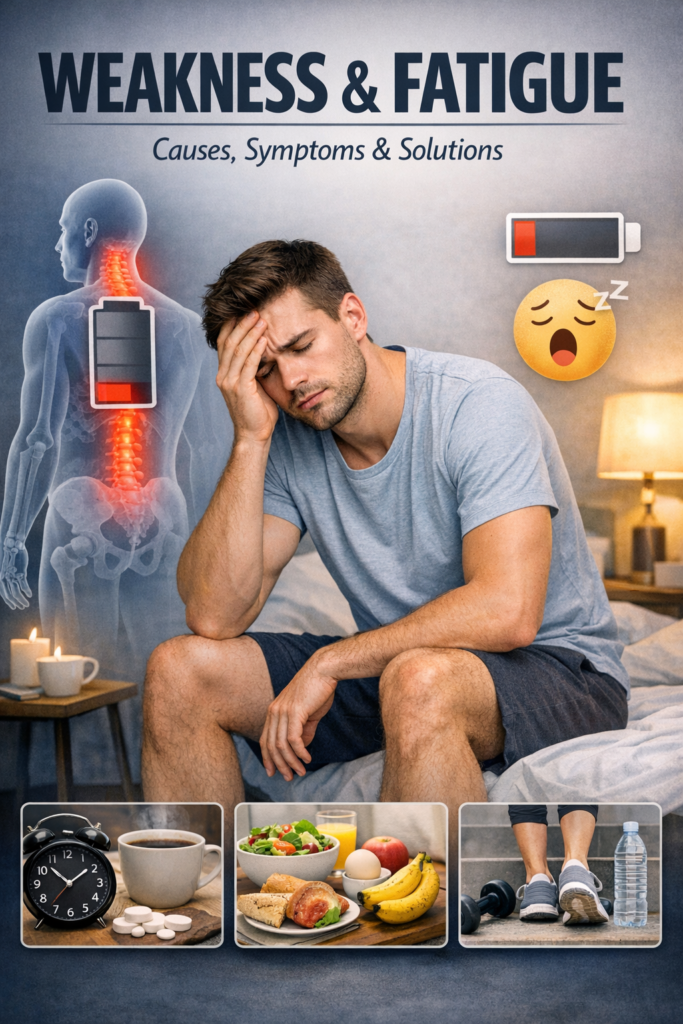
- Persistent low-grade fatigue despite adequate sleep
- Frequent headaches, especially in the morning
- Constipation or hard, difficult-to-pass stools
- Dry, dull skin with premature signs of ageing
- Recurring urinary tract infections or kidney stones
- Frequent brain fog, difficulty focusing or remembering
- Joint pain or stiffness — especially knees and back
- Feeling hungry frequently even after eating (thirst is often mistaken for hunger)
The Hunger-Thirst Confusion
Research suggests that a significant percentage of hunger signals are actually thirst signals misinterpreted by the brain. The hypothalamus, which regulates both hunger and thirst, can confuse the two — especially in people who are chronically mildly dehydrated. Try drinking a glass of water before reaching for a snack.
Long-Term Health Consequences of Chronic Dehydration
Sustained inadequate hydration has been linked to a significantly higher risk of: kidney stones and chronic kidney disease, urinary tract infections and bladder cancer, constipation and colorectal cancer, metabolic syndrome and type 2 diabetes, cardiovascular disease due to persistently thickened blood, and accelerated cognitive decline in older adults.
10. Dehydration in Children
Children are especially vulnerable to dehydration for several reasons: their body surface area relative to body mass is greater (so they lose more heat and fluid), their kidneys are less efficient at concentrating urine, and they cannot recognise or communicate thirst effectively.
Warning Signs in Infants & Young Children
Seek Medical Attention Immediately If Your Child Shows:
No wet nappies for 8+ hours (in infants), a sunken fontanelle (soft spot on skull), sunken eyes with no tears when crying, very dry mouth and lips, extreme lethargy or limpness, rapid breathing, skin that stays “tented” when gently pinched rather than springing back immediately.
Rehydrating Children
- For mild dehydration: give small, frequent sips of water or diluted fruit juice
- For moderate dehydration (from vomiting/diarrhoea): use a commercially prepared ORS like Dioralyte® or Pedialyte® — do NOT use sports drinks, which contain too much sugar
- Give 5ml every 1–2 minutes for babies; older children can sip more frequently
- Breastfed infants should feed more frequently during illness
- Avoid giving plain water only during gastroenteritis — electrolyte replacement is critical
11. Dehydration in the Elderly
Dehydration is the most common fluid and electrolyte disorder in older adults, and it is a major contributor to hospital admissions, falls, urinary tract infections, pressure ulcers, and delirium in this age group. Despite its prevalence, it remains significantly under-recognised and undertreated in both community and care settings.
Why Older Adults Dehydrate More Easily
- Reduced thirst sensation — the hypothalamic thirst response diminishes significantly with age
- Decreased total body water — from 60% in young adults to ~50% in the elderly
- Reduced kidney efficiency and slower adaptation to fluid changes
- Multiple medications (diuretics, laxatives, ACE inhibitors) that increase fluid losses
- Reduced mobility limiting access to drinks independently
- Deliberate restriction of fluids to avoid incontinence
- Cognitive impairment (dementia) affecting the ability to recognise or act on thirst
Tip for Carers
Offer drinks proactively and regularly to elderly patients — do not wait for them to ask. Offer small amounts frequently (every 1–2 hours), include water-rich foods like soup, yoghurt, and fruit, and keep drinks within easy reach at all times.
12. Common Myths About Dehydration Debunked
13. Frequently Asked Questions
14. When to See a Doctor
Most mild dehydration can be managed at home. However, certain scenarios warrant medical evaluation to prevent serious complications.
Seek Emergency Care Immediately For:
Confusion, disorientation or loss of consciousness · No urination for 8+ hours · Rapid or very weak pulse · Inability to keep any fluids down · Severe dizziness or inability to stand · Sunken eyes without tears · Dehydration in a newborn or infant · Signs of heat stroke (high temperature + confusion)
See Your Doctor Within 24 Hours For:
Diarrhoea lasting more than 24 hours in an adult or 12 hours in a child · Vomiting so severe you cannot keep any fluids down · Dehydration in someone over 65 · Urine that remains very dark for more than 12 hours despite drinking · Dehydration associated with a known medical condition like diabetes · Suspected dehydration in a pregnant woman
💧 Start Hydrating Smarter Today
Dehydration is one of the most preventable health conditions. A few simple daily habits — carrying a water bottle, monitoring urine colour, eating water-rich foods — can profoundly improve your energy, focus, and long-term health.
⚕️ Medical Disclaimer: This article is for informational purposes only and does not constitute medical advice. Always consult a qualified healthcare professional for diagnosis, treatment, or any health concerns. In emergencies, call your local emergency services immediately.