- What does dry mouth feel like? Common symptoms
- What causes dry mouth? The 10 most common reasons
- Why is dry mouth at night and in the morning so common?
- Dry mouth and bad breath — the connection
- How to get rid of dry mouth — 8 proven home remedies
- Dry mouth and tooth decay — why you must take this seriously
- Frequently asked questions about dry mouth
- When to see a doctor about dry mouth
Click any section to jump directly to it.
Do you wake up with a sticky, parched feeling in your mouth? Does swallowing feel difficult, or does your tongue feel rough and dry throughout the day? If so, you may be experiencing dry mouth — medically known as xerostomia (pronounced zee-roh-STOH-mee-ah). Understanding the causes of dry mouth is the first and most important step toward finding real, lasting relief.
Dry mouth occurs when your salivary glands do not produce enough saliva to keep your mouth properly moist. Saliva is far more important than most people realise — it helps you chew and swallow food, protects your teeth against decay, fights bacteria, and even helps you taste properly. When saliva production drops, the effects go far beyond simple discomfort.
In this complete guide, we cover all the major causes of dry mouth in adults, the symptoms to watch for, effective home remedies, and when you should see a doctor. Whether your dry mouth happens at night, in the morning, or throughout the day — this guide will help you understand why.
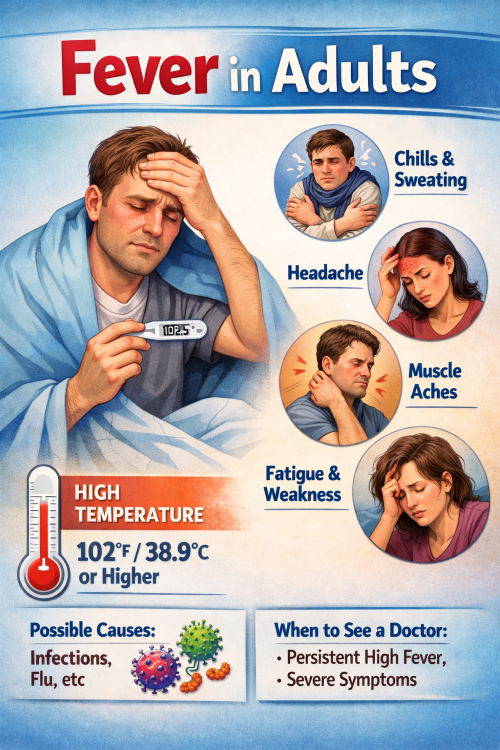
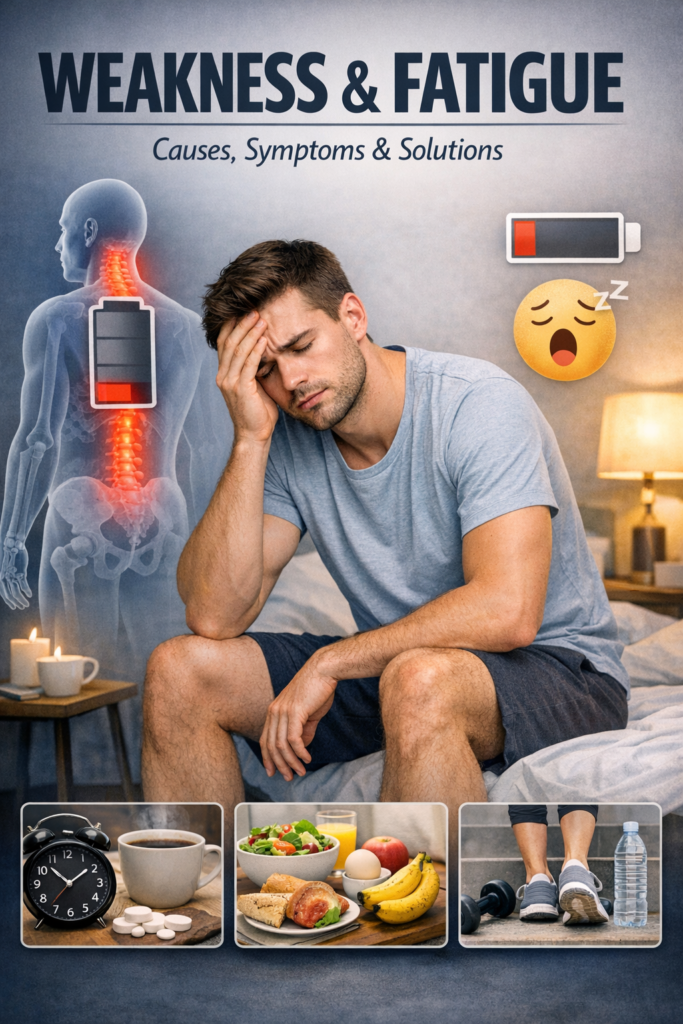
What does dry mouth feel like? Common symptoms
Dry mouth is not just about thirst. The symptoms of xerostomia are wide-ranging and can significantly affect your daily quality of life. Here are the most common signs:
- Persistent dry or sticky feeling in the mouth, especially upon waking up in the morning
- Thick, stringy saliva that makes it hard to speak or swallow comfortably
- Dry, sore throat that does not improve with water or throat lozenges
- Altered taste — food may taste different or less flavourful than usual
- Burning or tingling sensation on the tongue or inside the cheeks
- Increased dental cavities despite regular brushing — a classic red flag for chronic dry mouth
- Difficulty wearing dentures — saliva acts as a natural adhesive and lubricant
- Frequent thirst, especially at night, without obvious dehydration
What causes dry mouth? The 10 most common reasons
One of the most frequently asked questions about this condition is: “Why is my mouth always dry even when I drink enough water?” The answer almost always lies in one of the following causes — and in many cases, more than one factor is involved at the same time.
Medications are the single most common cause of dry mouth worldwide. More than 500 commonly prescribed medicines list dry mouth as a side effect. This is because many drugs reduce the activity of the salivary glands either directly or as part of their mechanism of action.
Common drug categories that cause dry mouth include antihistamines (allergy medicines), antidepressants, blood pressure medications, diuretics (water pills), antipsychotics, muscle relaxants, and bladder control medications. If you have started a new medicine and noticed your mouth feeling drier than usual, the medication may well be the cause. Never stop a prescribed medicine without speaking to your doctor first — but do mention the symptom so adjustments can be made.
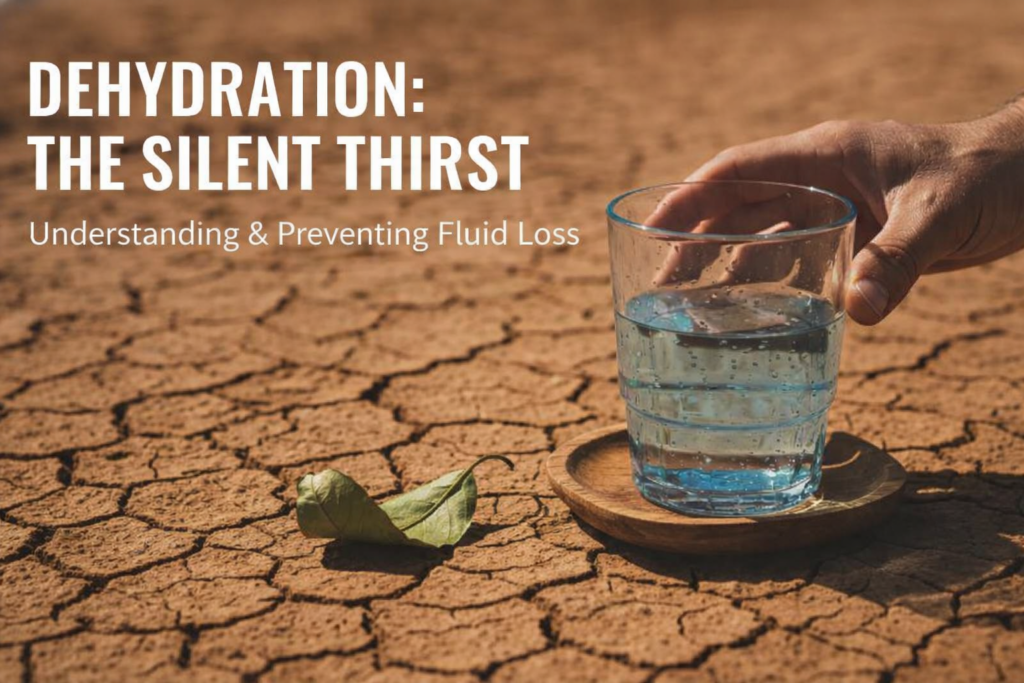
When your body does not have enough fluid, saliva production is one of the first things to decrease. Dehydration-related dry mouth is extremely common, especially in hot climates like Pakistan, during summer months, or after physical activity, vomiting, diarrhoea, or fever.
A simple way to check if dehydration is causing your dry mouth: look at the colour of your urine. Pale yellow means well-hydrated. Dark yellow or amber means you need more water — immediately. Aim for at least 8–10 glasses of water daily, more in hot weather or if you are physically active.
Many people who experience dry mouth at night or dry mouth in the morning are actually breathing through their mouth while sleeping. This causes saliva to evaporate, leaving the mouth parched by the time you wake up. Mouth breathing during sleep is often caused by nasal congestion, a deviated nasal septum, allergies, or sleep apnoea.
Both smoking and chewing tobacco significantly reduce saliva production and impair salivary gland function over time. Smokers are more likely to experience persistent dry mouth, bad breath, gum disease, and tooth decay — all of which are worsened by the reduction in protective saliva. Quitting tobacco is one of the most impactful things you can do for your oral health overall.
Both alcohol and caffeine are diuretics — they cause your body to lose more water than it takes in. Excessive intake of tea, coffee, energy drinks, or alcohol dries out the mouth and reduces saliva. This is why people often experience dry mouth after drinking alcohol or notice it gets worse throughout a day heavy in tea or coffee.
Have you noticed your mouth goes dry before a big meeting, exam, or stressful event? That is your body’s fight-or-flight response in action. When you are anxious or stressed, your nervous system temporarily reduces saliva production. For people with chronic anxiety or stress, this can become an ongoing problem rather than a short-term reaction. This is one of the most overlooked causes of dry mouth in young adults.
Sjögren’s syndrome is an autoimmune condition in which the body’s immune system mistakenly attacks its own moisture-producing glands — including the salivary and tear glands. The result is persistent, severe dry mouth combined with dry eyes. It is more common in middle-aged women and is often under-diagnosed. If you have both dry mouth and dry eyes that do not improve with fluids or lifestyle changes, Sjögren’s syndrome is worth discussing with your doctor.
Dry mouth is a very common and often early symptom of diabetes — both Type 1 and Type 2. High blood sugar levels cause the kidneys to pull more water out of the body, leading to dehydration and reduced saliva. If your dry mouth is accompanied by increased thirst, frequent urination, unexplained weight loss, or fatigue — please get your blood sugar tested as soon as possible. In Pakistan, diabetes is extremely common and frequently undiagnosed.
Radiation treatment for head and neck cancers often damages the salivary glands as part of the treatment process. This can cause a significant and sometimes permanent reduction in saliva production. Patients who have undergone radiation therapy to the head or neck area commonly report severe chronic dry mouth as one of the most disruptive side effects of their treatment.
As people age, salivary gland function naturally decreases somewhat. However, dry mouth in the elderly is more often caused by the large number of medications older adults take rather than ageing itself. Hormonal changes — particularly during menopause — also frequently cause dry mouth in women. Dry mouth during menopause is a well-documented symptom linked to falling oestrogen levels affecting the mucous membranes.
Why is dry mouth at night and in the morning so common?
Many people specifically search for “why is my mouth dry when I wake up” or “why do I have dry mouth only at night” — and this is actually one of the most common patterns. Here is why it happens:
- Saliva production naturally drops during sleep — your body produces significantly less saliva at night than during the day, making you more vulnerable to dryness
- Mouth breathing during sleep — even if you do not realise you are doing it, breathing through your mouth at night rapidly evaporates whatever saliva is present
- Medications taken at bedtime — many common medications including blood pressure pills and antidepressants are taken before sleep and peak in effect overnight
- Sleep apnoea — people with sleep apnoea frequently breathe through their mouths and are far more likely to experience severe morning dry mouth
- Not drinking enough fluids in the evening — mild overnight dehydration is very common, especially in warm climates
Keep a glass of water on your bedside table and sip it before sleeping and immediately when you wake up. Use a humidifier in your bedroom to add moisture to the air. If you snore or suspect you breathe through your mouth while sleeping, speak to your doctor about a nasal congestion or sleep apnoea assessment.
Dry mouth and bad breath — the connection
One of the most distressing consequences of chronic dry mouth is persistent bad breath (halitosis). Saliva plays a critical role in washing away food particles and bacteria from the mouth. When saliva levels drop, bacteria multiply rapidly on the tongue, teeth, and gums — producing the sulphur compounds that cause unpleasant breath. This is why people with dry mouth often report that their bad breath does not improve no matter how often they brush.
If you are experiencing dry mouth and bad breath together, treating the underlying cause of the dry mouth is far more effective than relying on mouthwash or mints, which only mask the problem temporarily.
How to get rid of dry mouth — 8 proven home remedies
The most effective treatment for dry mouth depends on its underlying cause. However, these practical remedies help relieve dry mouth symptoms quickly and can be used by almost anyone:
Dry mouth and tooth decay — why you must take this seriously
Many people underestimate how damaging chronic dry mouth is to their teeth. Saliva is your mouth’s natural defence system — it neutralises acids, remineralises tooth enamel, and washes away the bacteria that cause cavities. Without adequate saliva, tooth decay can progress extremely rapidly, affecting multiple teeth at once even in people who brush regularly.
If you have been diagnosed with multiple cavities, especially in unusual locations (like the root surfaces or the base of the teeth), dry mouth may well be the underlying reason. Always inform your dentist if you have been experiencing dry mouth — they can prescribe high-fluoride toothpaste and take preventive measures before significant damage occurs.
Use a fluoride mouthwash daily, apply fluoride gel before bed if recommended by your dentist, drink water after meals instead of sugary drinks, and visit your dentist every 6 months — not once a year. Dry mouth patients are at significantly higher risk of rapid tooth decay and gum disease.
Frequently asked questions about dry mouth
Drinking water helps but does not always solve the underlying problem. If your salivary glands are not producing enough saliva due to medication, an autoimmune condition, or another medical cause, water provides temporary relief but not a cure. The cause needs to be identified and treated directly.
In most cases, dry mouth is not dangerous on its own. However, it can be a symptom of conditions like diabetes, Sjögren’s syndrome, or salivary gland disease that do require proper medical attention. If your dry mouth is persistent, unexplained, and accompanied by other symptoms, please see a doctor.
Yes — very commonly. Medicines frequently used in Pakistan for blood pressure (like amlodipine), allergies (like chlorphenamine), depression (SSRIs), and diabetes itself can all cause dry mouth as a side effect. If you suspect your medicine is causing it, speak to your doctor about alternatives or dose adjustments.
Plain water is the best option. Coconut water is also excellent as it naturally replaces electrolytes. Avoid caffeinated drinks, sugary juices, and carbonated drinks — all of which worsen dry mouth and increase cavity risk. Herbal teas (unsweetened) are a good alternative to regular tea.
Yes, absolutely. Stress and anxiety activate the body’s sympathetic nervous system, which reduces saliva flow. If your dry mouth comes and goes with your stress levels, managing anxiety through exercise, breathing techniques, or therapy can significantly improve your symptoms.
See a doctor if your dry mouth has lasted more than 2 weeks, is severe enough to affect eating or speaking, is accompanied by dry eyes, joint pain, or swollen salivary glands, or if you suspect it may be related to a new medication or an underlying condition like diabetes.
When to see a doctor about dry mouth
• Dry mouth that has lasted more than 2 weeks without an obvious cause
• Dry mouth combined with dry eyes — possible Sjögren’s syndrome
• Dry mouth with increased thirst, frequent urination, and fatigue — possible diabetes
• Swollen or painful salivary glands (felt below the jaw or in front of the ears)
• Dry mouth severe enough to make eating, swallowing, or speaking difficult
• Rapid dental decay with no other obvious cause
• Dry mouth that started immediately after beginning a new medication
Final thoughts
Dry mouth — or xerostomia — is one of the most common yet underreported health complaints among adults worldwide. It is rarely just an inconvenience. Chronic dry mouth affects your oral health, your nutrition, your confidence in social situations, and in some cases, it is the first visible sign of an underlying condition that needs proper medical care.
The good news is that most causes of dry mouth are very treatable once identified. Whether it is as simple as drinking more water, adjusting a medication, quitting smoking, or getting tested for diabetes — taking action early makes a real difference. Do not ignore a persistently dry mouth. Your body is telling you something, and it is worth listening.
“A healthy mouth is a gateway to a healthy body. Don’t ignore the signs — act early and protect your overall wellbeing.”