Body Aches:
Every Cause Explained
From everyday muscle soreness to serious systemic conditions — a comprehensive, medically grounded guide to understanding why your body hurts, what it means, and what to do about it.
Body aches — also called myalgia (muscle pain) or generalised body pain — refer to diffuse discomfort, soreness, or pain felt across multiple areas of the body simultaneously. Unlike localised pain that originates from a specific injury or structure, body aches typically arise from systemic processes: infections, inflammation, neurological changes, hormonal shifts, or metabolic disruption.
Pain is the body’s primary alarm system — a complex neurological signal processed by the brain that signals actual or potential tissue damage. The experience of pain is highly individual, influenced by genetics, prior experiences, emotional state, sleep quality, and the underlying cause. Understanding the source of your body aches is the essential first step to effective treatment.
The Physiology of Pain
When tissue is damaged, stressed, or inflamed, specialised nerve endings called nociceptors fire signals through peripheral nerves to the spinal cord and up to the brain’s somatosensory cortex and anterior cingulate cortex (which processes the emotional component of pain). This explains why pain has both a physical location and an emotional quality.
In systemic body aches, cytokines — inflammatory signalling proteins released by immune cells — play a central role. Cytokines directly sensitise nociceptors and cross the blood-brain barrier, causing the malaise, fatigue, and widespread aching characteristic of infections and inflammatory diseases.
Acute vs. Chronic Body Aches
| Type | Duration | Typical Causes | Prognosis |
|---|---|---|---|
| Acute | Hours to days (<3 months) | Infections (flu, COVID-19), exercise, injury, medication | Usually resolves with cause treatment; good |
| Subacute | 3 weeks – 3 months | Post-viral syndrome, slow-healing injury, early chronic condition | Variable; monitoring required |
| Chronic | >3 months | Fibromyalgia, autoimmune disease, chronic fatigue syndrome | Requires specialist management; long-term condition |
Body aches have an extraordinarily wide range of causes — from the mundane (a poor night’s sleep) to the serious (autoimmune disease). They are usefully grouped into the following categories, each explored in detail in subsequent sections.
Infections
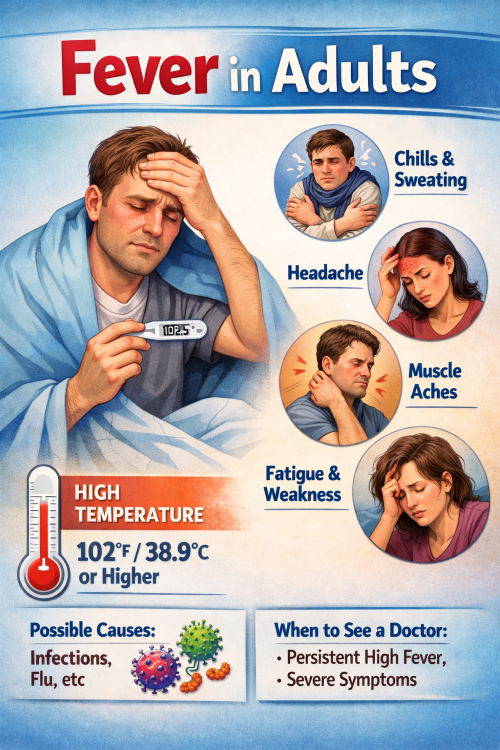
Viral and bacterial infections trigger widespread inflammatory cytokine release causing systemic body aching. The most common cause of acute body aches.
Lifestyle Factors
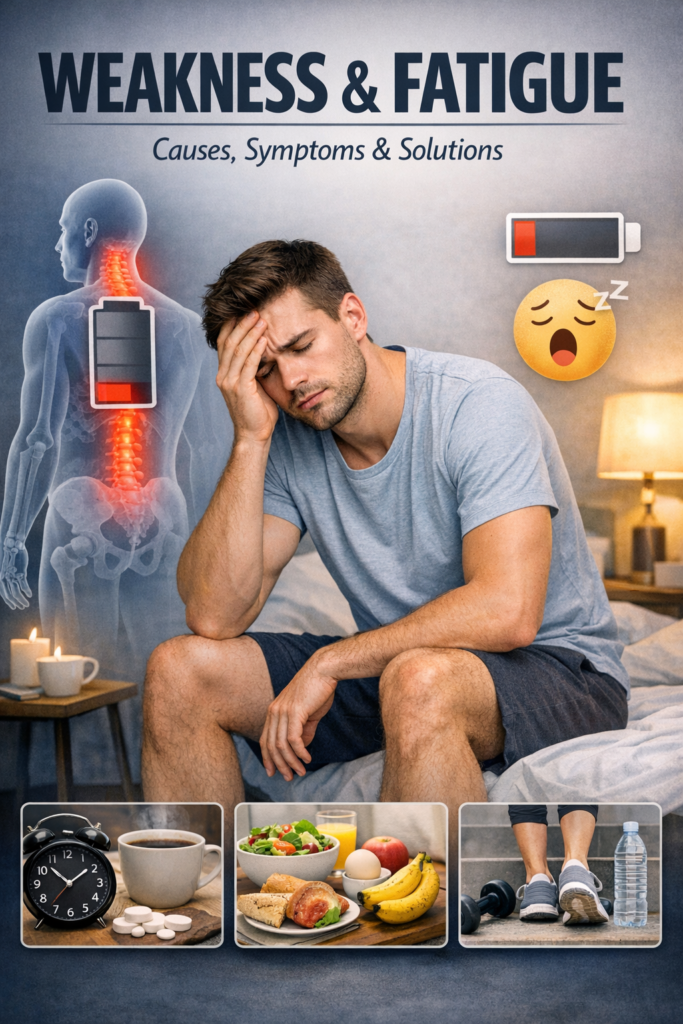
Overexertion, poor sleep, dehydration, prolonged poor posture, and chronic stress all produce significant musculoskeletal and systemic pain.
Musculoskeletal
Arthritis, tendinitis, myositis, muscle strains, bursitis, and spinal conditions producing localised to widespread pain originating in joints, muscles and connective tissue.
Autoimmune & Inflammatory
Lupus, rheumatoid arthritis, polymyalgia rheumatica, and other autoimmune diseases cause the immune system to attack the body’s own tissues producing severe pain.
Neurological
Fibromyalgia, neuropathy, and central sensitisation syndromes involve abnormal pain processing within the nervous system itself, amplifying pain signals.
Medications
Statins, certain blood pressure drugs, chemotherapy, and many others can cause myalgia as a side effect. Always review medications with your doctor.
Nutritional Deficiencies
Deficiencies of Vitamin D, B12, magnesium, calcium, and potassium all produce characteristic musculoskeletal pain patterns and fatigue.
Mental Health
Depression, anxiety, and PTSD have well-documented physical pain manifestations — the mind-body pain connection is neurobiologically real and significant.
Infection is the single most common cause of acute, sudden-onset body aches in otherwise healthy people. The mechanism is consistent: when pathogens invade, the immune system releases pro-inflammatory cytokines (interleukin-1, interleukin-6, TNF-alpha) that directly sensitise pain receptors throughout the body, producing the characteristic “whole-body aching” of illness.
Influenza (Flu)
Influenza produces some of the most severe body aches of any common infection. The intensity — particularly in the thighs, back, and joints — is disproportionately severe compared to a common cold and is a key diagnostic distinguisher. Aches typically peak within 24–48 hours of onset and resolve over 5–7 days.
COVID-19
Myalgia (muscle pain) affects 25–50% of COVID-19 patients and is a prominent early symptom. Some patients develop post-COVID syndrome (Long COVID), in which body aches, fatigue, and cognitive symptoms persist for months after the acute infection resolves, likely due to persistent immune activation and microbiome disruption.
Common Cold & Upper Respiratory Infections
Mild to moderate body aches accompany most upper respiratory infections. Unlike influenza, the aches are generally less severe and are typically overshadowed by nasal, throat, and chest symptoms. Caused by over 200 different viral strains including rhinovirus, adenovirus, and parainfluenza.
Dengue Fever (“Breakbone Fever”)
Dengue, spread by Aedes mosquitoes in tropical and subtropical regions, causes excruciatingly severe joint, bone, and muscle pain — earning its nickname “breakbone fever.” The pain is so intense that even the slightest touch or movement can be unbearable. Occurs in large parts of Asia, Africa, and the Americas.
Malaria
Malaria produces cyclical episodes of severe chills, high fever, and profound whole-body aching that follow the lifecycle of the Plasmodium parasite. Without treatment it is potentially fatal. Body aches in returning travellers from endemic regions should raise malaria as an urgent differential diagnosis.
Typhoid, Pneumonia & Other Bacterial Infections
Typhoid fever causes deep, sustained bone and muscle aches alongside high fever and abdominal symptoms. Severe bacterial pneumonia produces pleuritic chest pain with referred body aching. Bacterial sepsis — a life-threatening emergency — causes diffuse, severe body pain with confusion, rapid pulse, and extremely high or low temperature.
Body Aches Without Fever
It is a common misconception that body aches from infection always come with fever. Many viral infections — including early COVID-19, Lyme disease, and certain strains of flu — can cause significant body aches with only a low-grade or no fever. The absence of fever does not rule out a systemic infection.
Many episodes of body aching are directly attributable to lifestyle factors — patterns of daily living that either damage muscle tissue, deprive the body of recovery resources, or chronically stress the musculoskeletal system. These are among the most treatable causes.
Over-Exercise (DOMS)
Delayed Onset Muscle Soreness (DOMS) occurs 24–72 hours after unaccustomed or intense exercise, caused by microscopic tears in muscle fibres during eccentric contractions. Completely normal and resolves in 3–5 days.
Sleep Deprivation
Sleep is when muscles repair and inflammation is resolved. Chronic poor sleep dramatically lowers pain thresholds, amplifies existing pain signals, and causes diffuse morning body aching even without structural cause.
Dehydration
Muscles are ~75% water. Even mild dehydration causes muscles to cramp, spasm, and ache. Dehydration also reduces joint lubrication, increasing friction and pain during movement.
Poor Posture & Sedentary Life
Prolonged sitting, forward head posture, and repetitive movements create chronic muscle tension and imbalance, especially in the neck, upper back, lower back, and hips — the most common pain sites in office workers.
Chronic Stress
Psychological stress causes sustained elevated cortisol and muscle tension. The body holds stress physically — especially in the shoulders, jaw, neck, and lower back. Chronic stress literally causes chronic pain.
Temperature Extremes
Cold temperatures cause muscles to contract, stiffen, and ache. Heat exhaustion and heat stroke cause profound whole-body muscular pain, cramping, and weakness due to electrolyte depletion and heat-induced cellular damage.
Conditions affecting the muscles, bones, joints, tendons, ligaments, and connective tissue are among the leading causes of both acute and chronic body aches worldwide. They range from self-limiting soft-tissue injuries to progressive degenerative and inflammatory joint diseases.
| Condition | Main Pain Type | Key Features | Severity |
|---|---|---|---|
| Osteoarthritis | Joint pain, stiffness | Worse with activity, improves with rest, affects knees, hips, hands; common 50+ | Moderate–Severe |
| Rheumatoid Arthritis | Symmetric joint pain | Morning stiffness >1hr, symmetrical, small joints first, systemic fatigue | Severe |
| Muscle Strains/Sprains | Localised muscle/tendon | Follows injury, localised tenderness, swelling, bruising possible | Mild–Moderate |
| Tendinitis | Tendon pain with movement | Overuse, burning/aching at tendon sites, worsens with specific movements | Moderate |
| Bursitis | Deep, aching joint pain | Inflamed bursa sacs near joints; shoulder, hip, knee, elbow most common | Moderate |
| Disc Herniation / Sciatica | Radiating nerve pain | Back pain + leg pain, shooting or burning quality, worse when sitting | Moderate–Severe |
| Polymyalgia Rheumatica | Proximal muscle aching | Severe shoulder/hip girdle aching, predominantly 60+, dramatic response to steroids | Severe |
| Myositis (Inflammatory) | Proximal muscle weakness + pain | Difficulty rising from chairs, climbing stairs; autoimmune; can affect lungs and heart | Severe |
Autoimmune diseases occur when the immune system mistakenly attacks the body’s own tissues. Because the immune system is systemic, autoimmune conditions almost always produce widespread, diffuse pain alongside fatigue, fever, and multi-organ involvement. They are among the most important causes of chronic body aches to identify — particularly because they are treatable.
Systemic Lupus Erythematosus (SLE / Lupus)
Lupus is a chronic autoimmune condition that can affect virtually any organ system. Joint and muscle pain affects over 95% of lupus patients and is often the presenting complaint. Characteristic features include a butterfly-shaped facial rash, photosensitivity, oral ulcers, hair loss, and kidney involvement. Lupus disproportionately affects women of reproductive age and is significantly more common in South Asian, Afro-Caribbean, and Middle Eastern populations.
Rheumatoid Arthritis (RA)
RA is a chronic inflammatory arthritis causing symmetric joint swelling, pain, and stiffness — particularly in the small joints of the hands and feet. Prolonged morning stiffness (over 1 hour) is a hallmark. Untreated RA causes progressive joint destruction, and systemic inflammation can affect the heart, lungs, and eyes. Early diagnosis and treatment with DMARDs is essential.
Sjögren’s Syndrome
An autoimmune condition primarily affecting moisture-producing glands, Sjögren’s causes widespread joint and muscle pain alongside severe dry eyes, dry mouth, and fatigue. It can occur alone (primary) or alongside other autoimmune conditions (secondary). Frequently underdiagnosed, with an average delay of 7 years from symptom onset to diagnosis.
Ankylosing Spondylitis & Axial SpA
An inflammatory arthritis primarily affecting the spine and sacroiliac joints, causing severe lower back pain and stiffness that is characteristically worse in the morning and with rest, and improves with exercise. Can progress to spinal fusion if untreated. Disproportionately affects young men and is strongly associated with the HLA-B27 genetic marker.
Neurological conditions cause body aches not through structural tissue damage, but through altered pain processing — the nervous system itself becomes dysregulated, amplifying or generating pain signals incorrectly. These are among the most debilitating and often most misunderstood causes of chronic widespread pain.
Fibromyalgia
Fibromyalgia is a central sensitisation syndrome — the brain and spinal cord process pain signals abnormally, amplifying all sensory input including touch, temperature, and light. It causes widespread musculoskeletal pain across all four body quadrants, profound fatigue, sleep disturbance, cognitive dysfunction (“fibro fog”), and heightened sensitivity to stimuli. It affects 2–4% of the global population — predominantly women — and is diagnosed clinically by the presence of widespread pain for more than 3 months in the absence of another explanation.
Peripheral Neuropathy
Damage to peripheral nerves — commonly caused by diabetes, alcohol excess, vitamin B12 deficiency, certain medications, and infections — produces burning, shooting, or stabbing pain typically starting in the feet and hands (“stocking-glove distribution”). Can progress to involve the entire body. Numbness, tingling, and weakness often accompany the pain.
Chronic Fatigue Syndrome / ME (ME/CFS)
Myalgic Encephalomyelitis / Chronic Fatigue Syndrome is a complex, debilitating multi-system illness characterised by severe fatigue that does not improve with rest, post-exertional malaise (symptoms worsen dramatically after minimal physical or mental exertion), widespread muscle and joint pain, cognitive impairment, and sleep dysfunction. Its pathophysiology involves immune dysregulation, autonomic dysfunction, and mitochondrial abnormalities. It frequently follows a viral infection — including COVID-19.
Multiple Sclerosis (MS)
MS is an autoimmune-neurological condition causing demyelination of nerve fibres. Pain — including musculoskeletal aching, trigeminal neuralgia, Lhermitte’s sign (electric-shock sensation down the spine), and neuropathic pain — affects up to 80% of people with MS at some stage. Pain in MS is often underestimated and undertreated.
A significant proportion of body aches are iatrogenic — caused by medications taken for other conditions. Statin-induced myopathy is perhaps the most well-known example, but many drug classes can cause pain as a side effect.
| Drug / Drug Class | Type of Pain Caused | Mechanism | Action |
|---|---|---|---|
| Statins (e.g. atorvastatin, simvastatin) | Muscle aching, weakness, cramps | Coenzyme Q10 depletion, mitochondrial dysfunction in muscle cells | Discuss dose reduction or switch with doctor |
| Fluoroquinolone antibiotics (e.g. ciprofloxacin) | Tendon pain, joint aches, neuropathy | Mitochondrial toxicity, collagen disruption, oxidative stress | Often requires discontinuation; seek review |
| Bisphosphonates (e.g. alendronate) | Severe bone, joint, and muscle pain | Exact mechanism unclear; may involve prostaglandin pathways | FDA black-box warning — seek medical review |
| Aromatase inhibitors (cancer therapy) | Joint pain and stiffness | Oestrogen suppression affects joint lubrication and connective tissue | Pain management, possible dose adjustment |
| ACE inhibitors / ARBs | Muscle cramps, aching | Electrolyte changes; bradykinin accumulation | Review with prescriber |
| Vaccines | Temporary muscle aching at injection site + systemic | Localised inflammation + cytokine release (normal immune response) | Self-limiting; resolves in 24–72 hours |
| Opioid withdrawal | Severe bone and muscle pain | Hyperalgesia from opioid receptor upregulation during withdrawal | Medical supervision required |
Always Review Your Medications
If you develop new body aches after starting, changing, or stopping a medication, always discuss this with your prescribing doctor. Never stop a prescribed medication without medical guidance — but do report new pain symptoms promptly. A simple medication switch can sometimes completely resolve months of body aching.
The body’s musculoskeletal and nervous systems have significant micronutrient requirements. Deficiencies in key vitamins and minerals are a commonly overlooked cause of chronic body aches, fatigue, and weakness — and are among the most straightforwardly correctable once identified.
Vitamin D Deficiency
The most common deficiency worldwide. Causes deep bone and muscle aching, weakness, and fatigue. Vitamin D receptors are present in muscle tissue and bone. Deficiency is extremely common in people with limited sun exposure, darker skin tones, and those over 65. Correctable with supplementation.
Vitamin B12 Deficiency
Essential for nerve myelin production. Deficiency causes neuropathic pain, pins and needles, muscle weakness, and fatigue. Particularly common in vegans, vegetarians, elderly adults, and people taking metformin or long-term antacids. Can cause irreversible nerve damage if untreated.
Magnesium Deficiency
Magnesium is required for over 300 enzymatic reactions including muscle contraction and nerve signalling. Deficiency causes muscle cramps, spasms, widespread aching, and restless leg syndrome. Very common — estimated to affect 50%+ of Western adults due to poor dietary intake and high stress-related urinary losses.
Calcium & Potassium
Calcium deficiency causes deep bone pain, muscle cramps, and tetany (involuntary muscle contractions). Potassium deficiency (hypokalaemia) causes profound muscle weakness, cramps, and aching — particularly in the legs. Often compounded by vomiting, diarrhoea, or diuretic use.
Iron Deficiency Anaemia
Low iron reduces oxygen delivery to muscles via haemoglobin. This causes muscle fatigue, weakness, and aching — particularly with exertion. Worldwide, iron deficiency anaemia is the most common nutritional deficiency, disproportionately affecting women of reproductive age.
Folate (Vitamin B9)
Folate deficiency affects nerve and muscle function, contributing to weakness, aching, and neurological symptoms. Essential during pregnancy. Common in people with alcohol dependence, poor diet, or malabsorption syndromes such as coeliac disease.
The relationship between psychological health and physical pain is bidirectional, deeply neurobiological, and profoundly important. Emotional distress is not “imagined” pain — it produces real, measurable physical pain through well-characterised brain-body pathways involving the hypothalamus, limbic system, and the autonomic and endocrine systems.
- Depression: Depression is associated with chronic body aches in 65–70% of patients. This is not psychosomatic in a dismissive sense — serotonin and noradrenaline (the neurotransmitters depleted in depression) are also key pain-modulating chemicals in the spinal cord. Antidepressants that target these pathways (SNRIs) are clinically proven pain treatments for this reason.
- Anxiety Disorders: Chronic anxiety causes sustained muscle tension throughout the body — particularly the neck, shoulders, jaw (TMJ), and lower back. It also activates the HPA axis chronically, maintaining elevated cortisol that impairs muscle recovery and sensitises pain pathways.
- PTSD: Post-traumatic stress disorder produces measurably elevated rates of widespread musculoskeletal pain, fibromyalgia-like syndromes, and chronic pain conditions. The body stores trauma — this is a neurobiological reality, not a metaphor.
- Somatic Symptom Disorder: A genuine, recognised medical condition in which psychological distress manifests primarily as physical symptoms including pain, fatigue, and weakness. The pain is real — its primary driver is neurological rather than structural. Requires psychological as well as medical management.
Mind-Body Medicine Is Evidence-Based
Psychological interventions including Cognitive Behavioural Therapy (CBT), mindfulness-based stress reduction (MBSR), and Acceptance and Commitment Therapy (ACT) have strong clinical trial evidence for reducing chronic pain — in some studies matching or outperforming pharmacological interventions. Addressing the emotional component of pain is medically legitimate and important.
Where your body aches can provide important diagnostic clues. While no location alone confirms a diagnosis, the pattern and distribution of pain is a key clinical tool. Use this as a guide — not a substitute for medical evaluation.
🧠 Head & Neck
Tension headache, migraine, cervical spondylosis, meningitis (neck stiffness + headache = emergency), giant cell arteritis (age 50+), thyroid disease
🫁 Chest & Ribs
Costochondritis (rib cartilage inflammation), pleuritis, pneumonia, shingles (dermatomal), fibromyalgia tender points, cardiac referred pain
💪 Shoulders & Upper Arms
Polymyalgia rheumatica (bilateral), rotator cuff tear, bursitis, RA, frozen shoulder, referred pain from neck (C4–C6 nerves)
🤲 Hands & Wrists
Rheumatoid arthritis (symmetric, small joints), carpal tunnel syndrome, gout, osteoarthritis (DIP joints), Raynaud’s phenomenon, De Quervain’s tenosynovitis
🔻 Lower Back
Mechanical back pain, disc herniation, sciatica, ankylosing spondylitis (young adults, morning stiffness), kidney stones (often unilateral, loin-to-groin), fibromyalgia
🦿 Hips & Thighs
Hip osteoarthritis, bursitis (trochanteric), polymyalgia rheumatica, meralgia paraesthetica (lateral thigh burning), referred lumbar pain, avascular necrosis
🦵 Knees & Calves
Knee osteoarthritis, patellofemoral syndrome, Baker’s cyst, deep vein thrombosis (DVT — calf pain + swelling = emergency), gout (knee), growing pains in children
🦶 Feet & Ankles
Plantar fasciitis (heel pain, morning worst), gout (1st MTP joint), peripheral neuropathy (burning, symmetric), flat feet, Achilles tendinitis, stress fractures
While the vast majority of body aches are benign and self-limiting, certain accompanying features indicate a potentially serious or life-threatening condition requiring immediate medical attention. Never ignore these warning signs.
See Your Doctor Within 48–72 Hours If:
Body aches have persisted for more than 2 weeks without clear cause · Pain is progressively worsening rather than improving · Unexplained significant weight loss accompanies the pain (possible malignancy) · Night sweats and fever accompany chronic aching · Pain awakens you from sleep · You have significant weakness in addition to pain · Body aches started immediately after starting a new medication.
Treatment of body aches must always be guided by the underlying cause. General symptomatic relief measures are appropriate for mild acute aches, but chronic or severe aching requires diagnosis and cause-specific management.
Immediate Relief for Acute Body Aches
Rest — but don’t immobilise
Adequate rest reduces inflammation and allows tissue repair. However, complete bed rest beyond 2–3 days is counterproductive; gentle movement maintains circulation and prevents deconditioning.
Hydrate and restore electrolytes
Dehydration significantly amplifies muscle pain. Drink adequate water and replenish electrolytes (sodium, potassium, magnesium) — particularly after illness, sweating, or exercise.
Over-the-counter analgesia (short-term)
Paracetamol (acetaminophen) is appropriate first-line for mild to moderate aches. NSAIDs (ibuprofen, naproxen) are effective for inflammatory pain — take with food; not appropriate for prolonged use without medical guidance.
Heat and cold therapy
Cold packs (ice wrapped in cloth) reduce acute inflammation and swelling in the first 48–72 hours. Heat (warm compress, bath, heat pad) relaxes muscle tension and improves chronic aching after the acute phase. Alternate as appropriate.
Gentle movement and stretching
Light activity such as walking, swimming, or yoga maintains muscle flexibility, improves circulation, and triggers endorphin release. Especially effective for lifestyle and stress-related body aches.
Prioritise sleep
Pain thresholds are directly regulated by sleep quality. Even one night of poor sleep significantly amplifies pain sensitivity. Address sleep as actively as the pain itself.
Medical Treatments by Cause
- Infections: Antiviral or antibacterial medications where indicated; fever management; rest and supportive care
- Autoimmune disease: Disease-modifying anti-rheumatic drugs (DMARDs), biologics, corticosteroids — always under specialist supervision
- Fibromyalgia: Duloxetine (SNRI), pregabalin/gabapentin, CBT, graded exercise therapy, sleep optimisation
- Nutritional deficiencies: Targeted supplementation and dietary modification after confirmed blood test diagnosis
- Neuropathic pain: Tricyclic antidepressants, SNRIs, gabapentinoids, topical lidocaine, capsaicin patches
- Medication-induced: Dose adjustment or medication switch under prescriber guidance
- Mental health-related: CBT, SNRI antidepressants, MBSR, graded activity, psychotherapy
While not all body aches are preventable, the majority of lifestyle-related and nutritional causes can be substantially reduced or eliminated with consistent daily habits. Prevention also includes early recognition of developing conditions before they become severe.
- Stay well-hydrated daily — aim for pale straw-coloured urine throughout the day
- Exercise regularly but progressively — sudden increases in exercise intensity are the primary cause of DOMS and overuse injury
- Maintain correct ergonomic posture — particularly at desks; screen at eye level, back supported, feet flat
- Prioritise 7–9 hours of sleep — even one night of poor sleep amplifies pain sensitivity the following day
- Manage stress actively with daily techniques (breathing, meditation, exercise, social connection)
- Stay up to date with vaccinations — especially flu vaccine, which prevents severe influenza-related body aching
- Eat a nutrient-dense diet with adequate vitamin D, B12, magnesium, calcium, iron, and folate
- Limit alcohol — alcohol disrupts sleep, depletes B vitamins and magnesium, and worsens inflammation
- Warm up before exercise and cool down after — 10 minutes of each significantly reduces muscle damage risk
- Report new, persistent body aches early — many conditions (autoimmune, neuropathic) are far easier to manage when caught early
Go to Emergency / Call an Ambulance Immediately For:
Chest pain + body aches (heart attack) · Severe headache + neck stiffness + fever (meningitis) · Sudden one-sided weakness with pain (stroke) · Breathing difficulty + body aches (PE) · Calf swelling + pain (DVT) · High fever + confusion · Rash with fever + petechiae (purple/red spots that don’t fade) · Body aches after tropical travel with fever
See Your GP / Doctor Within a Week For:
Body aches persisting more than 2 weeks without improving · New body aches after starting a medication · Body aches with unexplained weight loss or night sweats · Suspected vitamin/mineral deficiency · Body aches with joint swelling, redness, or warmth · Any body pain that is waking you from sleep · Body aches in a child that cannot be explained by growth or activity
Help Your Doctor Help You — Prepare Before Your Visit
Note when the pain started and what may have triggered it · Describe the character (aching, burning, shooting, stabbing) · Note what makes it better or worse · List all medications, supplements, and vitamins · Track the pattern — constant, intermittent, morning-worst, night-worst · Record any associated symptoms — fatigue, fever, rash, weight change, bowel changes · Rate pain on a 0–10 scale.
Understanding Your Pain is the First Step to Relieving It
Body aches are your body’s language. They signal something that needs attention — whether rest, hydration, medical care, or emotional healing. The more precisely you understand the cause, the more effectively you can respond.
If your body aches are persistent, severe, or unexplained — don’t delay seeking medical evaluation. Early diagnosis is almost always better than late.
⚕️ Medical Disclaimer: This article is for informational and educational purposes only and does not constitute medical advice, diagnosis, or treatment. The information provided should not replace consultation with a qualified healthcare professional. If you are experiencing severe, unexplained, or worsening body pain, seek medical attention promptly. In an emergency, call your local emergency services immediately.
📌 SEO Reference — Post Metadata
Recommended Title: Body Aches: All Causes, Types, Symptoms & When to See a Doctor — Complete Guide
Meta Description: Discover every cause of body aches — from flu, dehydration and exercise to fibromyalgia, autoimmune disease, nutritional deficiencies and medication side effects. Medically comprehensive, with treatment, prevention, and red-flag signs.
Focus Keyword: body aches causes
Secondary Keywords: body aches causes of body aches whole body pain muscle aches and pains why does my body ache body aches without fever body aches and fatigue body aches at night fibromyalgia symptoms body aches after exercise body aches treatment body aches vitamin D autoimmune body pain when to see doctor for body aches body pain relief body aches COVID